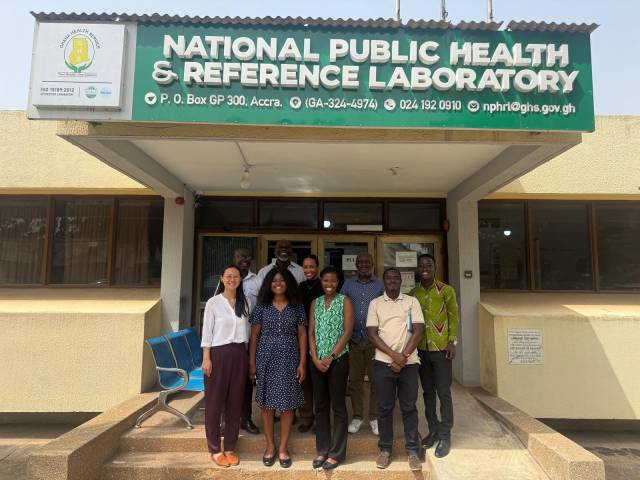
Strengthening Labs to Reduce Lead Poisoning
Lead poisoning is a health threat that is far more common and more serious than many people realize. Lead is a highly toxic metal, and once in the bloodstream, it can affect nearly every system in the human body, causing long-term health issues like cognitive decline, hypertension and organ damage. Around the world, nearly 3.5 million people die from lead-related heart disease every year—more than from malaria.
Children are especially vulnerable to the health risks and often show no obvious initial symptoms of lead poisoning. Over time, however, it can cause behavioral problems, hearing loss, lowered IQ and nerve damage.
The number of children impacted by lead poisoning is staggering. Approximately 800 million children—one-third of the global child population—have blood lead levels exceeding 5 micrograms per deciliter (µg/dL)—a level that would be cause for immediate intervention by current U.S. public health standards.
“There is no safe lead level. Even small amounts of lead in the bloodstream can cause irreversible harm to a child’s developing brain and organs,” said Grace Jairo, PhD, senior director for the blood lead level laboratory capacity building program at the CDC Foundation. “Approximately 90 percent of the children with elevated blood lead levels are living in low- and middle-income countries.”
Regular blood lead level testing is the most effective way to detect lead exposure early. Testing has helped many countries identify and address lead hazards and provide essential care to those with elevated blood lead levels. Unfortunately, regions with the highest burden of lead poisoning often lack the necessary laboratory infrastructure, trained staff and formal guidelines to sustain accurate, reliable and consistent testing, leaving millions of people at risk of undetected exposure and lifelong health issues.
As a part of the Bloomberg Philanthropies Lead Poisoning Prevention Initiative, the CDC Foundation is working across nine countries in Africa, Asia and South America to strengthen the capacity of laboratories to conduct blood lead level testing. Strong laboratory systems play a critical role in effective lead screening programs—facilitating early detection and prevention and enabling countries to identify and respond to lead exposures more efficiently.
“When it comes to preventing lead poisoning, testing is crucial,” said Dr. Jairo. “Strengthening national laboratory networks will allow countries to expand screening programs and gather critical data that guides clinical management decisions and informs policies that protect millions of children.”
In collaboration with governments and implementing partners, the CDC Foundation is assessing the strengths and needs of in-country laboratory systems. From these assessments, the CDC Foundation will develop tailored, laboratory-specific work plans and provide technical support to strengthen key laboratory functions. This will include providing guidelines for selecting equipment and analytical methods, improving how samples are collected, handled and analyzed, and strengthening quality assurance processes to ensure confidence in reported data. To expand the reach of this work, the CDC Foundation is also creating a global laboratory toolkit with standardized resources to support consistent, accurate blood lead level testing for countries across the globe.
“The CDC Foundation is proud to work with Bloomberg Philanthropies, initiative partners and country stakeholders to expand lead poisoning prevention efforts,” said Dr. Jairo. “Together we can continue to move closer to the shared goal of safer, lead-free communities.”