
What is public health?
Public health is the science of protecting and improving the health of people and their communities. This work is achieved by promoting healthy lifestyles, researching disease and injury prevention, and detecting, preventing and responding to infectious diseases. Overall, public health is concerned with protecting the health of entire populations. These populations can be as small as a local neighborhood, or as big as an entire country or region of the world.
Public health connects us all.
Sign up for updates
Why is public health important?
Public health’s mission is to promote safer, healthier and better quality lives, prevent disease and injury and ensure all individuals can access the information, knowledge and resources needed to make healthy choices for themselves, their families and their community.
Public health professionals create educational programs, recommend policies, administer services and conduct research to prevent large-scale health problems from occurring or happening again—in contrast to healthcare professionals, like doctors and nurses, who provide care to individuals and meet their individual needs.
Why do we need public health?
Public health is all around us—across our nation, throughout our states and in our own communities. And while it often operates behind the scenes, public health plays a major role in increasing life expectancy, reducing illness and improving quality of life for the entire population.
Clean air, safe water and access to nutritious food, among other priorities, are essential to keeping people healthy and safe and ensuring our economy remains strong and stable.
Give to Make an Impact in Public Health
Who works in public health?
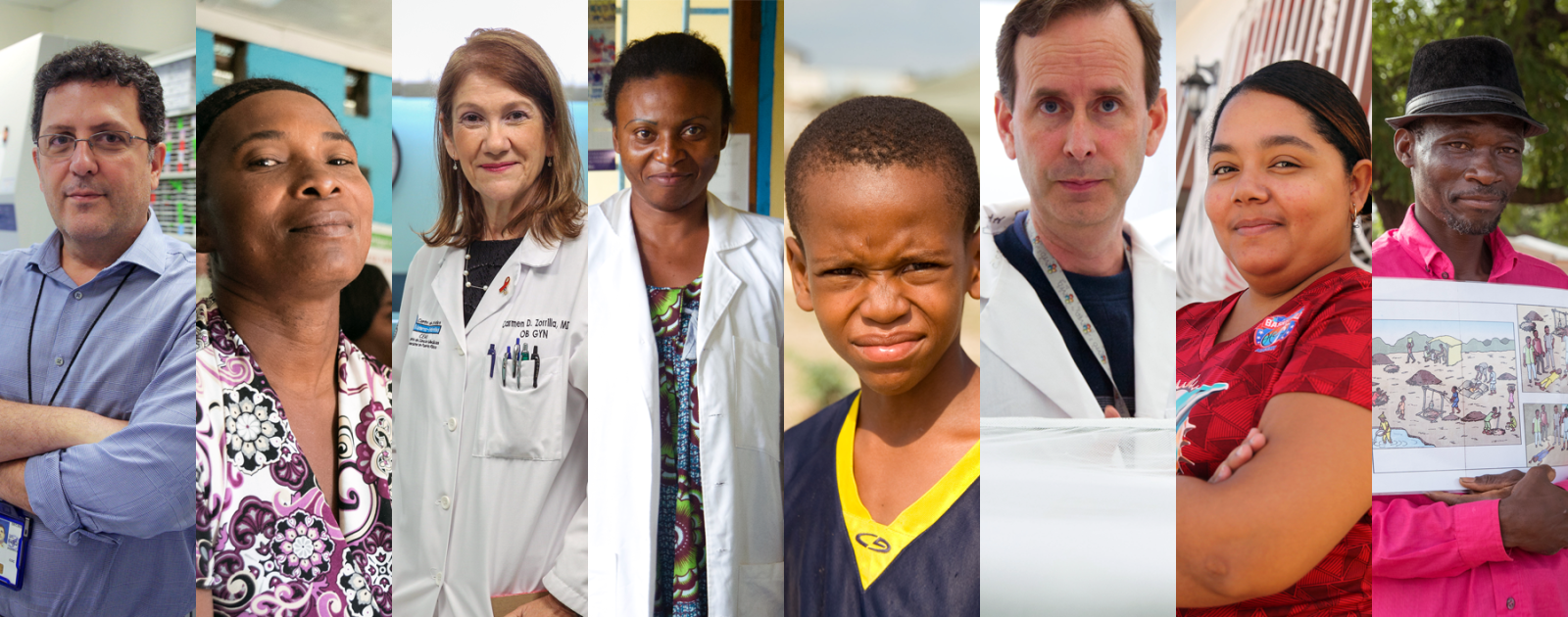
Our nation’s public health workforce is made up of a variety of trained individuals who work collaboratively to advance the health of entire neighborhoods, communities, cities and regions. Public health professionals are united in the belief that everyone—all individuals, all families, all communities—should have the opportunity to thrive and live their healthiest lives.
Below are some example professions of our nation’s public health workforce:
State and local community workers
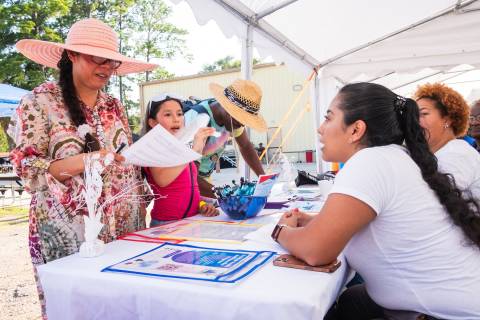
State and community health workers act as the bridge between public health and the communities we live in. Working through local public health offices, these health professionals coordinate health programs and initiatives tailored to community needs, facilitating access to healthcare services, information and resources. Through local outreach, health workers educate communities on public health initiatives like disease prevention campaigns, maternal and child health programs or emergency response efforts, gathering data about health threats and shaping the policies and programs that address those threats.
Behind the scenes, public health workers also analyze data, evaluate policies and design health campaigns aimed at improving health at a population level.
In every state and in communities across the country, state and local community health workers are dedicated to preventing illness, promoting healthier environments and ensuring that health services reach the people who need them.
Epidemiologists
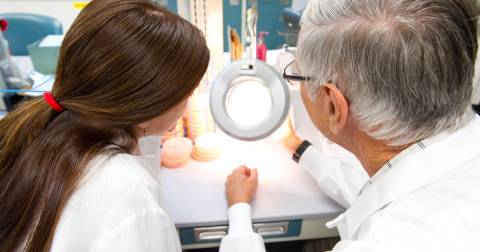
As the investigators of the public health field, epidemiologists study the causes, behaviors and spread of disease at the population level. While some may work in clinical settings, epidemiologists typically work from state or local public health offices, where they play a crucial role in understanding and controlling disease outbreaks and improving community health. Epidemiology often involves collecting and analyzing data to identify health trends, designing and implementing studies to evaluate the impact of health interventions and conducting research to inform public health policy development.
As the backbone of disease investigation, epidemiologists are often our first line of defense against infectious diseases that threaten public health.
Data scientists

Data is the lifeblood of public health, and data scientists sit at the intersection of data, policy and real-world health outcomes. Their job is not only to gather public health data, but to turn data into insights that that can guide public health decisions that help communities prevent illness, respond to health-related crises and improve long-term health outcomes.
To gather data—like information on disease prevalence, behavioral insights such as information on smoking habits or diet, or information on local air and water quality, for example—data scientists may draw from sources like hospitals, surveys, lab reports or direct interviews with community members. They then clean and organize that data so it can be used, analyzing patterns and trends, tracking how a disease spreads across regions, identifying which populations are most at risk or evaluating whether a public health intervention is working.
To help present their data effectively, data scientists may also build tools and visualizations like dashboards, maps and reports. By collecting, processing and making data accessible, data scientists help policymakers and health officials understand what’s happening in our communities so they can create the policies and responses needed to keep us healthy.
Health communication professionals
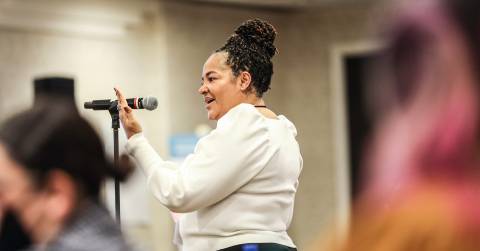
Medical and scientific information can be complicated and difficult to understand. Health communication professionals focus on how health information is created, shared and understood so people can make better decisions about their health.
To do so, these professionals create plain-language campaigns, videos, social media posts and other materials aimed at educating the public about public health issues. To communicate that information effectively, health communicators also research how people receive and respond to information, taking into consideration such factors as audience beliefs or barriers to behavior change that might impact how public health information is best disseminated.
During a public health crisis, like an outbreak or natural disaster, they work closely with government agencies, nonprofits, community leaders and others to help coordinate timely, accurate messaging.
These professionals know that communicating clearly and accurately about public health is vital to improving public health outcomes.
Social workers
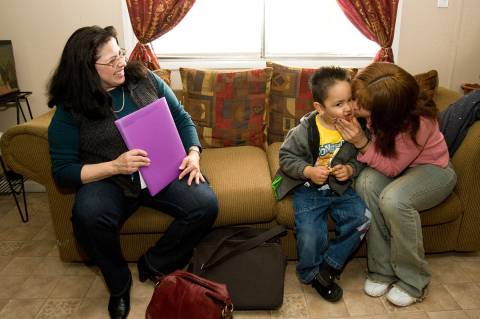
Social workers play a vital role in helping individuals, families and communities navigate challenges and improve their well-being. Their job blends direct support with advocacy and problem-solving to address a wide range of social, emotional and public health issues.
Social workers can assess people’s needs and connect them to resources like housing, healthcare, food assistance, mental health services or financial support—all of which have a direct impact on health. They often work with people facing poverty, illness, addiction, abuse or family conflict to provide counseling and emotional support, helping clients cope with stress, trauma or life transitions and developing strategies to improve their situation.
If people face challenges in accessing care, resources or services, social workers can work with schools, hospitals, courts or government agencies to make sure they receive the help they need. They can also help coordinate care and ensure different services are working together. On a broader level, social workers might also help to design programs or influence policies aimed at systemic change like access to care or public health challenges.
Overall, the job of the social worker is to support people in overcoming barriers to physical and mental health by connecting them with the systems and resources they need to live safer, healthier lives.