Small Stores, Big Reach: Rural Food Partnerships Drive Economic Development
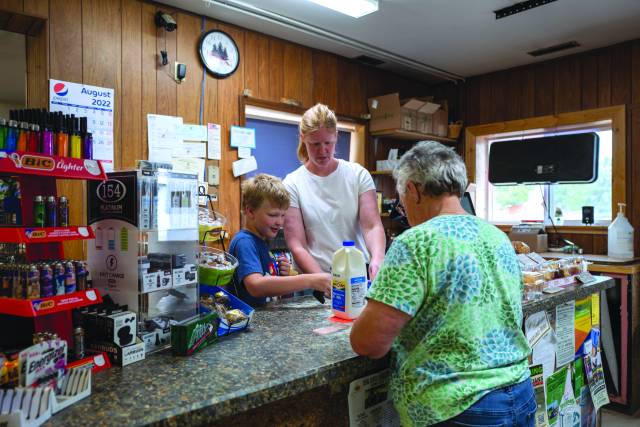
Ten years ago, Jenna Gullickson and her family bought the local grocery store in Hoople, North Dakota, a town with a population of approximately 250 people. It is a job and a place she loves. “I have raised my kids here. We put the pack and play right next to me at the cash register,” Gullickson said. “We just love our community … If there's an emergency if someone needs something, you call us up and we will come and open our doors.”
Gullickson joined Rial Carver, program director with the Rural Grocery Initiative at Kansas State University, and Chris Gessele, cooperative development specialist at the North Dakota Association of Rural Electric Cooperatives (NDAREC) for a webinar discussion last month about the important role rural grocery stores play in supporting food security and how collaboration can help increase food access in communities like Hoople.
The virtual event, titled Rural Food Security: Partnerships Driving Economic Development, is part of the ongoing Cultivating Connections webinar series, hosted by the CDC Foundation’s Hunger, Nutrition and Health Action Collaborative. Through the series, the collaborative is working to highlight successful strategies, food and nutrition system changes, multi-sector partnerships and community-building efforts focused on addressing hunger.
In the United States there are more than 14 million children living in food insecure households where families have limited or uncertain access to adequate food, and many of those households are in rural areas. In these communities, local grocery stores are a lifeline.
“At the Rural Grocery Initiative, we really think about how rural grocery stores are so much more than groceries. They are critical infrastructure in small towns. They are economic drivers in your local community. They can be social hubs and gathering spaces for community members,” Rial Carver said. “And they are critical places for access to healthy food.”
Carver shared some of the unique challenges rural grocery stores face such as slim profit margins, limited purchasing power and competition from larger chains. The Rural Grocery Initiative is supporting these stores by providing technical assistance and connecting the stores to vital resources, research and programming.
Chris Gessele provided regional insight on North Dakota where half the population in the state lives in rural areas and 86% of towns have populations of less than one thousand people. “Sometimes these stores and communities aren't deemed economically viable to bring a truck to from the perspective of the distributor,” Gessele said.
To address this challenge, NDAREC, a trade organization for nonprofit rural electric co-ops in North Dakota, helped develop an innovative partnership between the Hoople Grocery Store and two other independent stores in neighboring towns called the Rural Access Distribution (RAD) Cooperative.
“It allows these independently owned grocery stores to maintain their independent status and come together to share certain functions,” Gessele said. Through the RAD Co-op, the member stores purchase stock together, increasing their purchasing power so they can access more food inventory at lower prices. Distributors deliver the food orders to the largest grocery store where it is divided up and then delivered to the smaller communities by the RAD Co-op refrigerated truck. The arrangement gives the rural grocery stores more opportunities to provide a wider variety of fresh, healthy foods for their customers.
“I have customers coming in all the time asking me, can you get this, can you get that?” said Gullickson. “It has just opened up all these possibilities that wouldn't have been possible without this co-op.”
Rial Carver pointed out that there is a lot to learn from the RAD Co-op model when addressing problems in rural food systems.
“Some might look at this and say, well, they're competitors, why would they choose to work together?" Carver said. “But instead, this group of grocers saw the opportunity to lift each other up, and I think that's a really valuable way of thinking about rural challenges, whether it's related to food or not.”
To learn more and register for the next Cultivating Connections webinar in April, visit impacthunger.org