Voices of Maternal Care in Arizona
Joy, relief, exhaustion, confusion, love: these emotions and a hundred others define pregnancy, childbirth and the year following birth for both mothers and babies. Less talked about is the physical and emotional toll this period of upheaval and change can bring. While providers and health care systems are designed to provide medical care during this time, equally vital is the role that providers play in providing reassurance and validation, wraparound support and open dialogue. This can make all the difference in the health and wellbeing of mother and baby.
Creating that healthy space starts by empowering women to share their experiences and voice any health concerns they’re facing.
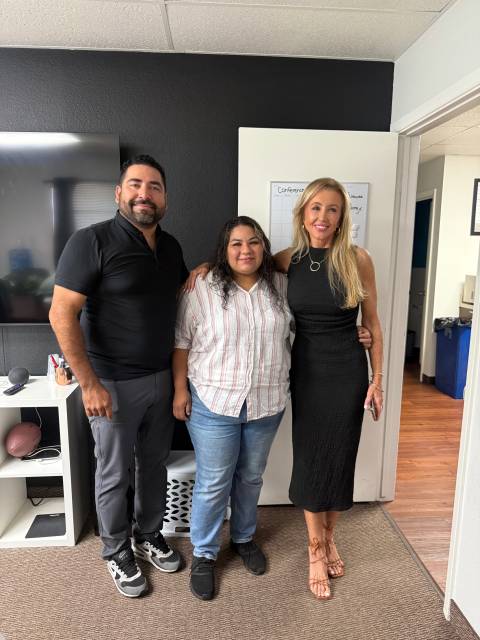
To hear directly from women in Arizona, Laurie Wood, PhD, travels around the state to talk to communities about the barriers they are facing. As chief executive officer of Arizona Perinatal Trust (APT), a Perinatal Quality Collaborative dedicated to improving the health of Arizona’s mothers and infants, Dr. Wood is dedicated to using these insights to drive change.
“According to the Centers for Disease Control and Prevention (CDC), in the United States, 45 percent of women don’t speak up [about their health concerns],” said Dr. Wood. APT took what they learned from their listening session and developed patient-centered messaging and resources for women, support people and healthcare professionals on how healthcare systems can better serve each unique population, create community informed spaces for women to voice concerns and contribute to a system of trust where women’s health is prioritized.
While 11 percent of maternal deaths in the United States occur on the day of delivery, 26 percent occur during pregnancy and 63 percent occur in the year following delivery. Though a vast majority of pregnancy and postpartum-related deaths are preventable, urgent warning signs for maternal health can be missed when women aren’t given the space to express concerns.
To address preventable maternal and infant mortality, the CDC Foundation is working with the Centers for Disease Control and Prevention (CDC) and local organizations to give women the space to speak up, both in and outside of healthcare settings. The work is twofold. Through our Hear Her® program, women and their support networks are given the tools they need to recognize urgent warning signs in their pregnancy and advocate for their health. Through our partnership with Perinatal Quality Collaboratives like APT, state or multi-state networks of clinicians, providers, public health leaders, patients and families provide recommendations on how to create and strengthen a culture of patient-centered care and work to improve the quality of care for mothers and babies.
At APT, creating space for this dialogue is rooted in establishing and strengthening respectful maternity care that promotes dignity, privacy and confidentiality of pregnant women and mothers and provides continuous support during labor and birth. This type of care gives women a space to voice their concerns and understand their options.
To assist APT in developing recommendations on how healthcare systems can better adapt their care to the unique needs of different populations, the CDC Foundation connected APT with communications partners to create community-directed videos, where mothers share messages about the importance of respectful maternity care. The videos are intended to allow women to communicate their pregnancy and birthing experiences directly with those who play key roles in maternal health care and encourage providers and health systems to build women’s voices into their care models.
“Motherhood to me means putting someone else’s needs in front of your own,” said Jo, one mother who contributed to the video series. “I regret looking back and realizing I put myself second. I didn’t speak up.”
With this support and these powerful personal stories, APT launched their respectful maternity care communications campaign In Arizona, a large health plan will push messages to every contracted provider in the state, and the state’s largest Indian Health Hospital plans to show videos on closed-circuit TV in waiting rooms. Nationally, the videos are also being shared by companies, universities and health plans, with health systems and partners integrating the content into their practices. APT’s work has also garnered interest from the National Institute of Health (NIH) and other national organizations.
"I met with leadership at the American College of Obstetricians and Gynecologists, and they said, ‘We are going to watch this work closely. We're very interested in what you do to codify respectful maternity care,” said Dr. Wood. “This [connection] wouldn’t have happened without the support and the vision of the CDC Foundation.”
The project is also driving a new partnership with the Inter Tribal Council of Arizona, an organization comprised of 21 Arizona-based Native Indigenous tribes who come together to address common issues. Six tribes have agreed to engage in listening sessions with APT with the intent to identify opportunities for joint program development targeting maternal and neonatal health needs.
“One tribal community had a very strong message: 'No one has ever asked,’” said Dr. Wood. “It struck a chord with me. Nobody ever asked them; people feel completely left out.” This was also a predominant theme across all groups by those who support birthing women, including husbands and boyfriends.
APT has shown that by opening lines of communication and listening to women, communities, providers and healthcare systems can strengthen maternal care and give women and babies their best opportunity at a healthy future. Creating those opportunities is key to the CDC Foundation’s work with Perinatal Quality Collaboratives like APT across the United States.
“The CDC Foundation is helping us transform care in Arizona,” said Dr. Wood. “And it has had a profound impact.”
This effort is made possible through funding from Johnson & Johnson.