
Together for Girls
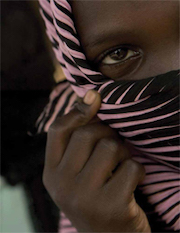
150 million girls under the age of 18 have been victims of sexual violence
As shocking as these numbers are, the actual occurrence of sexual violence is likely higher because most cases are never reported to authorities due to fear, stigma and discrimination.
The consequences of this injustice are profound. Not only do victims of sexual violence experience immense health and emotional effects, but there are also broader social and economic implications for countries, particularly those where the occurrence of sexual violence is more prevalent.
You Can Help
Together, we can build societies where all children are safe and valued. Your gift can help protect children from sexual violence and abuse by funding violence surveillance and prevention activities.
About Violence Against Children
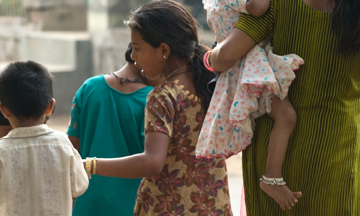 In 2002, the World Health Organization estimated that 150 million girls under the age of 18 had experienced some form of sexual violence. Recent studies also indicate that as one in three girls, and one in seven boys, experience sexual violence before age 18—and over half of all children experience physical violence before age 18.
Beyond the severe human rights violations, children who experience violence are at greater risk for lifelong, destructive—yet preventable—consequences, including HIV infection, chronic diseases, crime and drug abuse, as well as serious mental health problems.
About the Together for Girls Program
The CDC Foundation is a charter member of Together for Girls, a public-private partnership dedicated to ending violence against children, with a focus on sexual violence against girls. Founded by CDC Foundation Board Member and former Chair Gary Cohen, executive vice president of BD, Together for Girls is a global intersection of governments, the United Nations, civil society and the private sector that have joined together to prevent and respond to violence against children.
Partnership efforts focus on three pillars:
- Conducting national surveys and collecting data to document the magnitude and impact of sexual violence against girls to inform government leaders, civil society and donors.
- Supporting a plan of action at country level with interventions tailored to address sexual violence. These range from national policy-level dialogue and legal reform to improved services and community-based approaches.
- Launching communications and public awareness campaigns to draw attention to the problem and motivate changes in societal and gender norms and behaviors.
To date, CDC has conducted Violence Against Children Surveys (VACS) in Cambodia, Haiti, Kenya, Swaziland, Tanzania and Zimbabwe, which have all released their survey results. These surveys—funded in part by the President’s Emergency Plan for AIDS Relief (PEPFAR)—are also underway or planned in 10 additional countries.
Led and owned by national governments, VACS have greatly advanced understanding of the scale of violence against children and the circumstances that make children vulnerable to violence. The surveys are also sparking innovative solutions by country leaders and civil society.
Learn How You Can Help: advancement@cdcfoundation.org
Photo: © UNICEF/Haviv
- BD (Becton, Dickinson and Company)
- Henry Schein Cares Foundation
- Nduna Foundation
- United Nations Development Programme
- CDC's National Center for Injury Prevention and Control
- UN Women
- UNAIDS
- UNFPA, United Nations Population Fund
- UNICEF
- USAID
- World Health Organization
- Pan American Health Organization
- Grupo ABC
- BD (Becton, Dickinson and Company)
- Nduna Foundation
- Haiti
- Kenya
- Cambodia
- Eswatini
- Tanzania
- Zimbabwe