
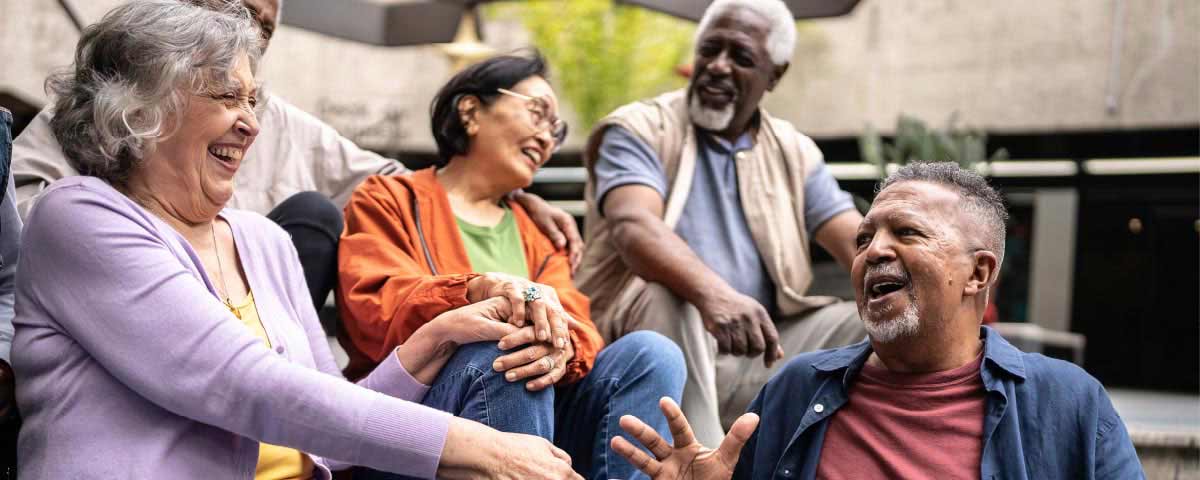

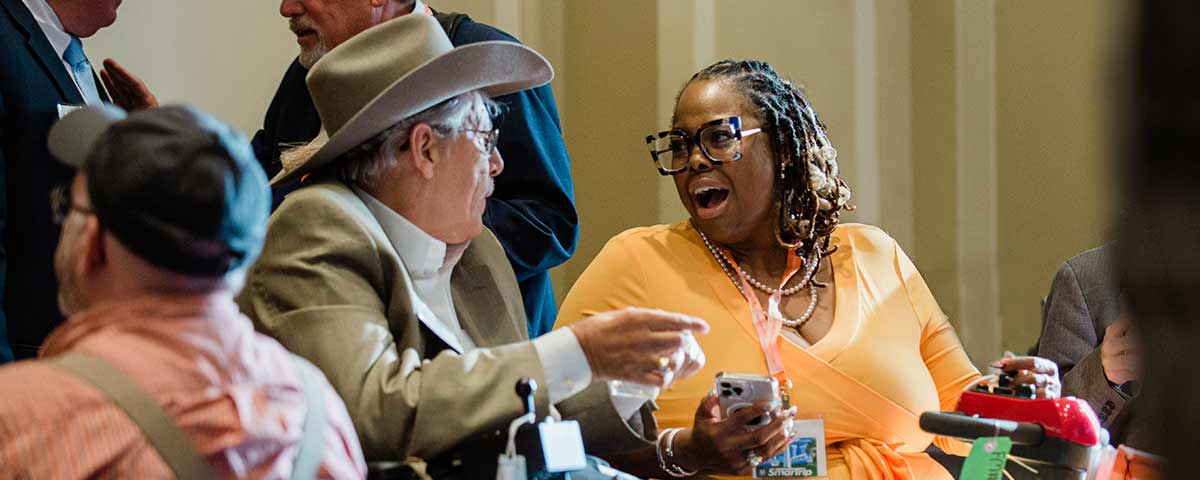


It’s where we all live, learn, work and gather. It’s about the overall health of our community, our town, our neighborhood, our family. At the CDC Foundation, we work with partners—ranging from health departments to community-based organizations to private-sector organizations—in every state to expand health in our communities.
In this report, you will learn about those who are working in their states to transform people’s health. The information shared in this report includes data from the CDC Foundation’s fiscal year, July 1, 2024–June 30, 2025.
Year in Review

Support from donors and funders to help our public health partners save and improve more lives

impacted through CDC Foundation programs made possible by our donors

and projects, including 170 domestic and 68 international programs and projects with public health partners

High-impact programs and projects supporting critical public health work since starting operations in 1995

Partnerships—individuals, philanthropies, corporations and organizations—working together to make an impact

Community-based organizations funded throughout the country
Video Message
Reaching All Communities, Everywhere
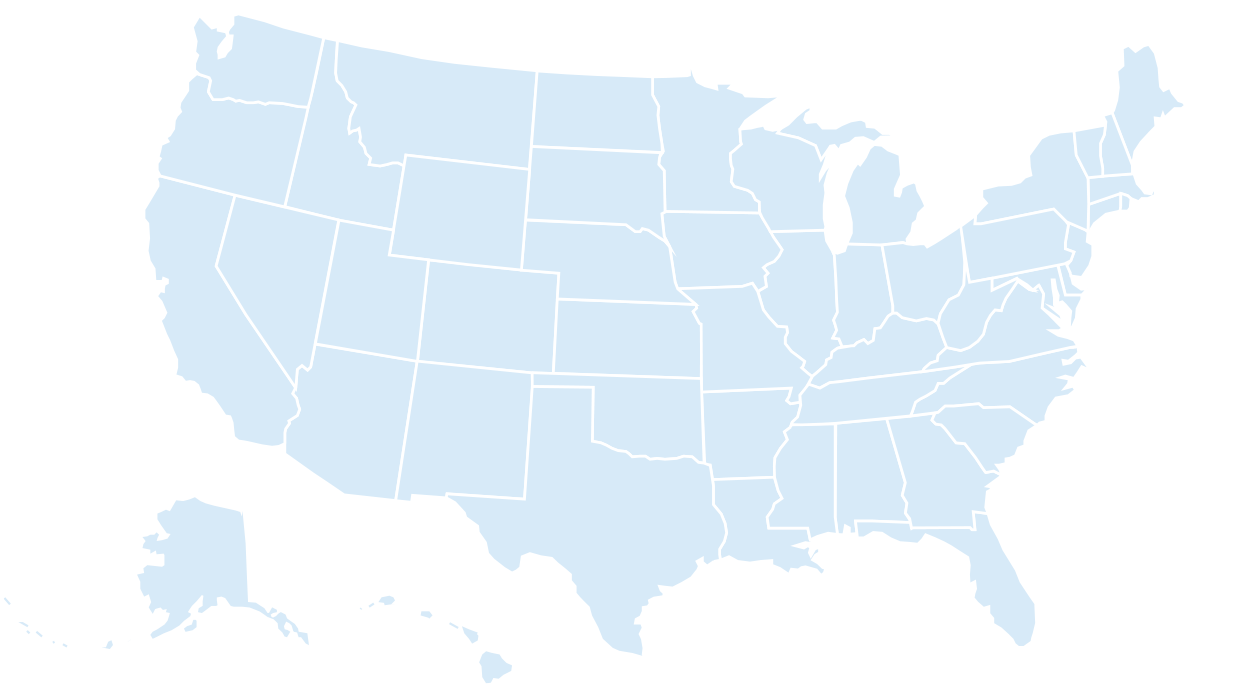
The CDC Foundation’s work touches all communities, everywhere—in all 50 states and throughout the world.
These examples highlight inspiring people who are making a tremendous impact.

A Modern Approach: Building the Tools that Power Healthy People
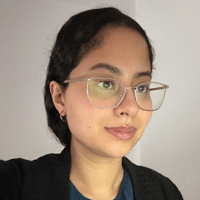
Meet Maggie
Maggie works in Kentucky with the Louisville Metro Department of Health to build a software application to help those working in the field gather and share data quickly. Maggie and many data experts like her are working in 49 state, tribal, local and territorial public health authorities across the nation to help modernize the data collection process.
“The data will be accessible wherever they are. It reduces errors so they get more proper data reporting.”
Maggie’s work is part of the CDC Foundation’s Workforce Acceleration Initiative, which is matching unique skillsets to current public health data and technology challenges. Launched in 2024, the initiative is designed to help modernize and integrate the systems our nation’s public health authorities need to rapidly detect and respond to new threats, make more informed and timely decisions and most effectively serve their communities.
Safeguarding Health: Addressing the Threat of Antimicrobial Resistance
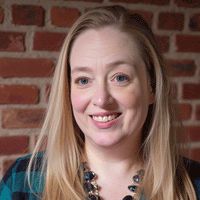
Meet Kelley
In Arkansas, Kelley, at the state health department, works with partners to improve antibiotic use and meets with other states to share best practices. Through this work, Arkansas has seen a 22 percent drop in antibiotic prescribing rates in the outpatient clinics that received regular updates on their antibiotic use.
“We take every opportunity to listen to other states who may have learned something unique about how to use this data or how people interact with or accept this data. We're always learning.”
The work of the CDC Foundation’s Antibiotic Stewardship Resources Project is being replicated with local health departments across the nation in more than 30 other locations.
The Power of Data: Preventing Overdose Deaths
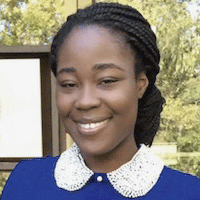
Meet Jonetta
In Florida, Jonetta works with the health department to collect data from 25 state districts to better understand the circumstances around overdose death and identify areas for intervention. Having complete and accurate data is critical to overdose response as it allows states like Florida to see trends and gaps in public health systems. In addition to Florida, this work is happening in more than 45 jurisdictions throughout the United States.
“The earlier we can identify gaps, the more lives we can save.”
Jonetta’s work is part of the CDC Foundation’s initiatives working to address the overdose epidemic. Through this work, staff assist with essential public health responses, provide clinicians with the data they need to improve prescribing practices and foster coordination across sectors to support access to treatment and long-term recovery.
A Healthy Start: The Importance of Early Nutrition
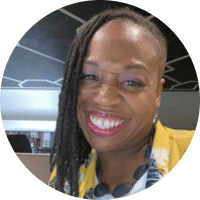
Meet Krista
Krista supports expecting families and families with young children in Ohio. Her organization is part of a collaboration throughout the United States working on solutions to the complex problems around hunger and nutrition.
“I’m grateful to have the opportunity to share what we've learned with so many other people in different parts of the country.”
The CDC Foundation’s Hunger, Nutrition and Health in Pregnancy Action Network is part of a nationwide initiative bringing together resources and expertise to make a difference in the lives of people who are hungry and food insecure.
Planning Ahead: Toolkit Helps Save Lives During Overdose Spikes
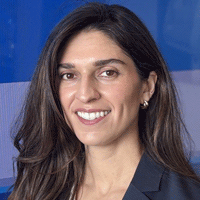
Meet Sarah
When a community suffers a spike in overdose-related deaths, saving lives requires quick action and seamless teamwork. Sarah prepares communities to address overdose spikes by helping pilot a new toolkit in multiple states, including Idaho, Tennessee, Mississippi and Alaska. By preparing teams of drug intelligence officers, public health analysts and others on the latest prevention and protection strategies, they are more prepared and coordinated for quick action when the next overdose spike occurs.
“It’s very important these conversations are taking place before they are in crisis. It enables a much faster response.”
The CDC Foundation’s Overdose Response Strategy program, a nationally coordinated, cross-sector collaboration between public health and public safety, is working at the community level to help reduce fatal and non-fatal drug overdoses. Currently, there are 61 teams within and across sectors in all 50 states, Washington, D.C., Puerto Rico and the U.S. Virgin Islands.
Serving Those Who Served: Preventing Veteran Suicide
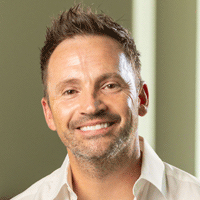
Meet Lacy
Across the country, veteran-serving organizations play a vital role in the lives of veterans and military families, providing essential services like coordination of care, housing, mental health support and job training. Through Camp Southern Ground in Georgia, Lacy helps active-duty military members transition to civilian life.
“Camp Southern Ground's mission is to provide experiences for individuals to recognize and magnify their unique gifts within themselves and others to help them profoundly change the world.”
The CDC Foundation is partnering with Camp Southern Ground and other veteran-serving organizations to help them improve evaluation practices, apply proven strategies for suicide prevention and communicate their impact.
Leading the Way: EIS Alumni Campaign Strengthens Public Health

Meet Robin
With a passion for public health, Robin is one of the thousands of disease detectives who have responded to a wide range of public health challenges and emergencies. Robin is an alumna of the globally renowned Epidemic Intelligence Service (EIS), a two-year, post-doctoral public health service fellowship in applied epidemiology at the Centers for Disease Control and Prevention.
“I’m forever grateful for the training I received and the opportunity to participate on the front lines of public health.”
To foster the development of the next generation of EIS officers, the CDC Foundation is managing the “Leading the Way” campaign. To garner support, events are being hosted in communities across the country by the EIS Alumni Association, which is managed by the CDC Foundation. The alumni association represents more than 4,300 alumni working on the front lines at local, state, federal and global levels to prevent disease and advance public health.
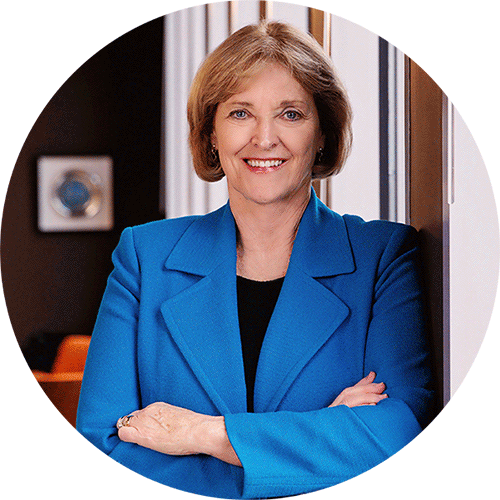
The CDC Foundation brings together partners to find solutions for our most pressing health challenges. Together, the collaborations we are building in every state are making a difference. Thank you for supporting us and for helping us expand health in all communities.
Judy Monroe, MD, President and CEO, CDC Foundation
Our Donors and Funders
Thank you to our partners, donors and funders in every state and throughout the world who are making a difference in all communities.
For the nineteenth year in a row, the CDC Foundation received a 4-star rating from Charity Navigator. Only 1 percent of charities rated have received 19 consecutive 4-star evaluations.